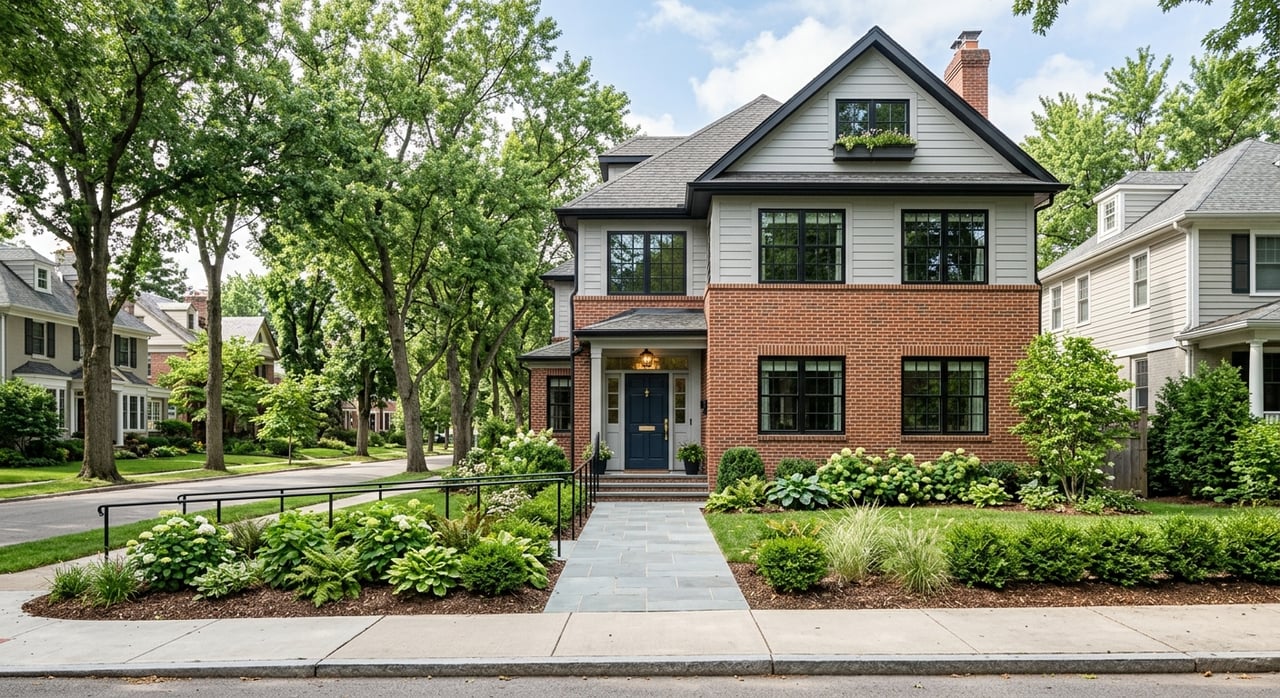
Discovering Watertown As A Downsizing Option Near Boston
July 23, 2026
July 23, 2026
If your current home feels bigger than your needs but you are not ready to give up access to Boston, Watertown deserves a closer look. Downsizing is rarely just about square footage. It is about making daily life easier, staying connected, and choosing a place that supports the way you want to live now. In Watertown, you can find a compact community, strong regional access, and helpful local senior resources, all within a setting that still feels rooted and livable. Let’s dive in.
Watertown offers something many Greater Boston movers want but struggle to find: a smaller-scale community close to major job centers, medical networks, and family hubs. The city covers just 4.1 square miles and sits along the Charles River, which helps give it a more manageable feel than a larger suburb.
At the same time, Watertown is not a bargain market. The 2020 to 2024 American Community Survey shows a median owner-occupied home value of $784,600 and a median gross rent of $2,502. If you are considering a move here, it helps to think in terms of convenience, lifestyle, and support, not just lower costs.
For many older adults and families, that tradeoff can make sense. You may be able to reduce maintenance, simplify transportation, and stay near the places and people that matter most.
One reason Watertown stands out is how easy it can be to stay connected without living in the middle of Boston. The city notes that MBTA bus routes 71, 73, and 70 connect riders to Red Line service at Harvard Square and Central Square.
Watertown also has express bus service from Watertown Square to Back Bay and the Financial District. If you still commute occasionally, visit specialists, or like having easy city access for appointments and outings, that can be a meaningful advantage.
For residents who want to drive less, there are more options. The city highlights Bluebikes stations, more than 10 miles of bike and pedestrian paths, and the WTMA Pleasant Street shuttle with express service to Harvard Square.
A good downsizing location should offer more than one path forward. Watertown appears to do that. The city keeps separate residential sales data for single-family, multi-family, and condominium properties, which reflects a market with varied housing types.
That matters because downsizing does not look the same for everyone. You may want a condo with less upkeep, a market-rate apartment, or a move that better fits changing health or mobility needs.
The city’s housing office says the Council on Aging can help seniors understand a range of housing choices, including:
This is especially helpful if you are still deciding between a traditional home purchase, a rental, or a senior-oriented living option. Instead of choosing blindly, you can compare several paths within one community.
Watertown also has local housing support systems that may be relevant to some households. The Watertown Housing Authority oversees 507 state public housing units, 23 units for special-needs housing, and 220 Housing Choice Vouchers.
Its developments page states that state-funded public housing for seniors and people with disabilities is open to households with at least one member age 60 or older or a disability. For some families, that creates another practical layer of possibility when planning a move.
Not every downsizer will need these options, but it is reassuring to know they exist. A community with a range of housing pathways can be easier to grow with over time.
A move can feel much more manageable when local support is already built into the community. Watertown’s Senior Center provides social, health, educational, recreational, advocacy, and support programs for older adults.
The city also says the Senior Center case worker helps seniors and families with emergency assistance, MassHealth, housing, fuel assistance, SNAP, and referrals to Springwell for in-home services and home-delivered meals. That kind of practical support can matter before, during, and after a move.
There is also a monthly Senior News publication with lectures, trips, movies, and daily activities. For many downsizers, staying socially connected is just as important as finding the right floor plan.
Giving up a larger home does not have to mean giving up independence. Watertown lists several transportation supports for seniors and people with disabilities, which can make daily life easier if you want to rely less on a car.
According to the city, available supports include:
These options can be especially valuable if you are thinking ahead. Even if you drive now, choosing a community with backup transportation can give you more flexibility later.
For many downsizers, being able to reach everyday needs without a long drive is a major quality-of-life upgrade. The city describes Watertown Square as the traditional downtown, with shops and the library.
That central area can appeal to people who want a more walkable routine and easier access to services. It is worth noting, though, that the Watertown Square planning process has been underway since October 2023.
The city says this work is intended to create safer streets for walking, biking, and transit, improve access to the Charles River, support small businesses, create lively public spaces, and expand housing options. In plain English, that means Watertown Square offers convenience and energy, but it is also evolving.
Downsizing often works best when you gain lifestyle value as you shed home maintenance. Watertown offers strong outdoor assets that can help with that balance.
The city says the Charles River Reservation and the 20-mile Dr. Paul Dudley White Charles River Bike Path connect Watertown to Downtown Boston and Waltham. It also maintains 13 parks and 88 acres of parkland.
The city is also redesigning and constructing several open spaces, including Arsenal Park, Saltonstall Park, and Walker Pond. A proposed Community Path would link the Minuteman Bikeway and the Charles River Reservation Path, adding even more connectivity over time.
If fresh air, walking, and easy access to green space are part of your next chapter wish list, Watertown checks an important box.
A smaller home can still support a full and interesting life. Watertown’s public arts and cultural programming adds to that sense of place.
The city highlights a public arts committee, a community sculpture walk, and programming connected to Coolidge Square and the library. These may seem like small details, but they help shape a community that feels active and lived-in.
For people comparing inner-ring Boston-area communities, that can make a difference. You are not just choosing a property. You are choosing the rhythm of daily life around it.
Watertown may be a strong downsizing option if you want to stay close to Boston and Cambridge, reduce upkeep, and live in a compact community with meaningful senior support. It can also be a good fit if access to transit, parks, and local services ranks high on your list.
The main reality to keep in mind is cost. Watertown offers convenience and resources, but it is not a low-cost alternative. It is also a community in motion, especially around Watertown Square and nearby corridors.
That said, many downsizers are not looking for the cheapest move. They are looking for the right move. If your goal is to simplify life while staying connected to Greater Boston, Watertown is well worth considering.
When you are weighing whether to sell, buy, rent, or explore senior living options, a step-by-step plan can make all the difference. Elder Moves Real Estate helps seniors and families navigate downsizing with calm guidance, trusted resources, and hands-on support from prep through move day.
We deliver exceptional results with humor, sincerity, and good business practices. Our dynamic duo understands that the process of moving involves more than just buying or selling a home; it involves orchestrating a seamless logistical and compassionate experience for seniors. Contact us today to find out how we can be of assistance to you!